

– Sámi Traditions, Knowledge Transfer and Sustainability
Written by Eli-Anita Øivand Schøning and Trude Fonneland
Máistu was a Sámi food conference that took place on May 13-15, 2025, in Áltá in the Norwegian side of Sápmi. The conference was an arena for Indigenous peoples from across the Arctic to share and discuss knowledge and experiences on traditional food practices and systems.
Project manager Trude Fonneland and project coordinator Eli-Anita Øivand Schøning in the Interreg project Máhtut presented: “Rognbolla som samisk matsystem – Sjøsamiske mattradisjoner, kunnskapsoverføring og bærekraft.” (The Cod Roe Dumpling as a Sámi Food System – Coastal Sámi Food Traditions, Knowledge Transfer and Sustainability). Fonneland and Schøning works at The Arctic University Museum of Norway (UiT). In addition to the two of us, our colleague Camilla Brattland is also part of our project team.
We (the team from UiT) collaborate with the Davvi álbmogiid guovddáš (DÁG, Center of Northern Peoples), a cultural center with museum that is in Olmmáivággi (Manndalen) in Gáivuotna (Kåfjord). Together with the DÁG, Olmmáivákki skuvla (Manndalen School), and other local actors, we are investigating the coastal Sámi fisher-farmer food system in this region. We also co-operate with the DÁG in a project led by them, namely: «Rognbolla som sjøsamisk matsystem» (The Cod Roe Dumpling as a Coastal Sámi Food System).
Director of the DÁG, Svein Leiros also gave a presentation at Máistu. His topic was: “Kulturarv i konflikt – Er det mulig å bevare sjøsamiske mattradisjoner uten å bryte loven?” (Cultural Heritage in Conflict – Is it Possible to Preserve Coastal Sámi Food Traditions Without Breaking the Law?). Senior advisor Henrik Olsen and kitchen chef Ann-Kristin Hansen, both from the DÁG, together with 8th grade pupils and a teacher from Olmmáivákki skuvla were invited guests at the conference. The film about the becoming of the Cod Roe Soup, which was one of the results from the Máhtut-project and the Cod Roe Dumpling-project was launched at the conference. The film was produced by Ørjan Marakatt Bertelsen, and the students from Olmmáivákki skuvla were the storytellers.
The following text is a condensed version of the presentation.
Reviving Coastal Sámi Food Traditions: Insights from the Archives and the Kitchen
The Arctic University Museum of Norway (former Tromsø Museum) holds a treasure trove of knowledge about the coastal Sámi food system. This knowledge, however, is not just a passive collection of artifacts and manuscripts—it is a living history that informs our understanding of sustainable food practices today.
When Tromsø Museum was founded in 1872, it quickly became a hub for documenting Sámi culture. By the late 19th century, Professor Just K. Qvigstad, a key figure in Sámi studies, began collecting detailed information about Sámi life. His 1896 Veiledning til Undersøgelse av Lappernes forhold (“Guide to the Investigation of the Lapps’ Conditions”) included 177 questions, with an entire section dedicated to food and cooking. Sámi informants, such as Anders Larsen and Ole Andreas Thomassen, responded with rich descriptions of their food systems, including how dried fish was softened and eaten with cod liver oil or how fish roe was incorporated into dishes.
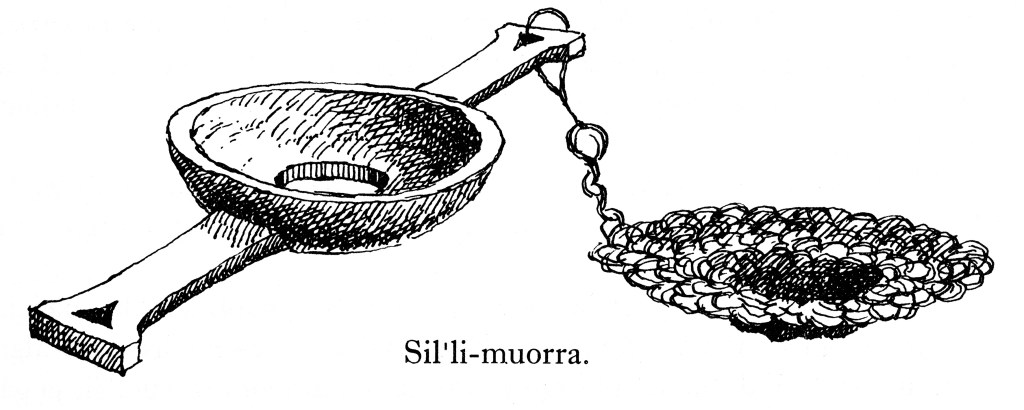
Larsen’s manuscript, Mearrasámiid birra/Om sjøsamene (“About the Coastal Sámi”), not only preserved recipes but also included drawings of tools like the Sil’li muorra (a fish roe strainer made from cow tail hair). These contributions shaped the museum’s collection and provided a foundation for understanding the coastal Sámi’s sustainable use of resources.
From Archives to Action: Making Guohpparmális
Building on archival knowledge, the Máhtut-project has brought local Sámi food traditions to life by engaging with contemporary Sámi tradition bearers. Ruth and Per Larsen from Skárfvaggi (Skardalen) in Gáivuotna were invited to the museum to share their expertise on guohpparmális (cod roe dumpling soup), a dish that embodies the coastal Sámi’s resourcefulness. The soup combines cod roe, dried meat, potatoes, carrots, and onions, reflecting a holistic use of local resources—fishing, farming, and livestock.
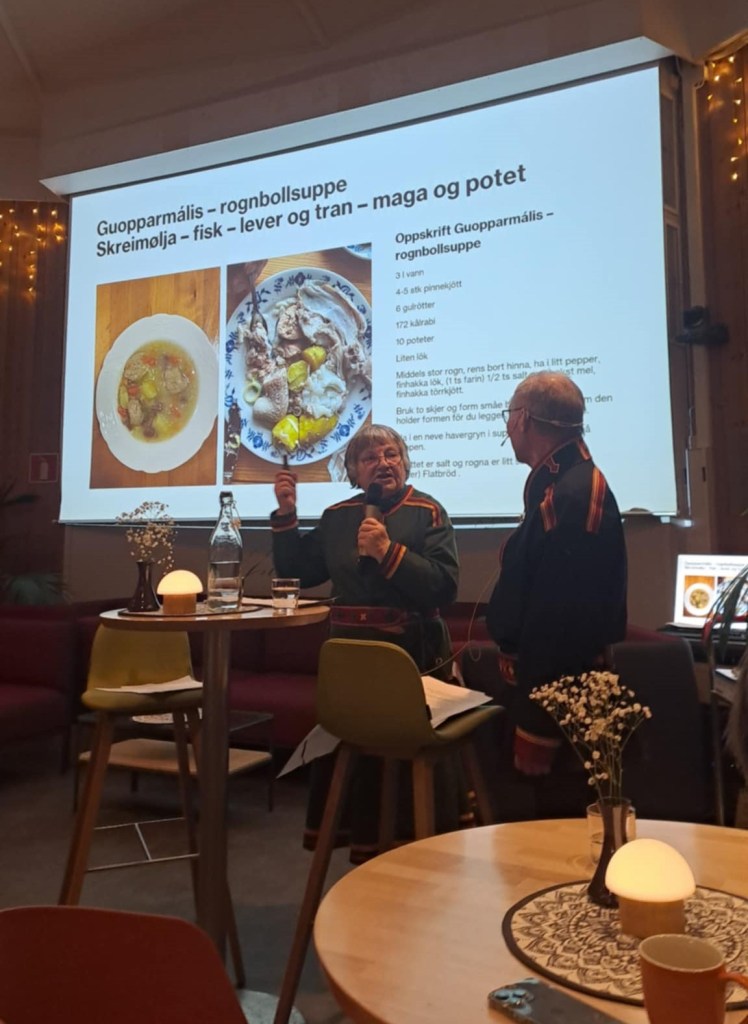
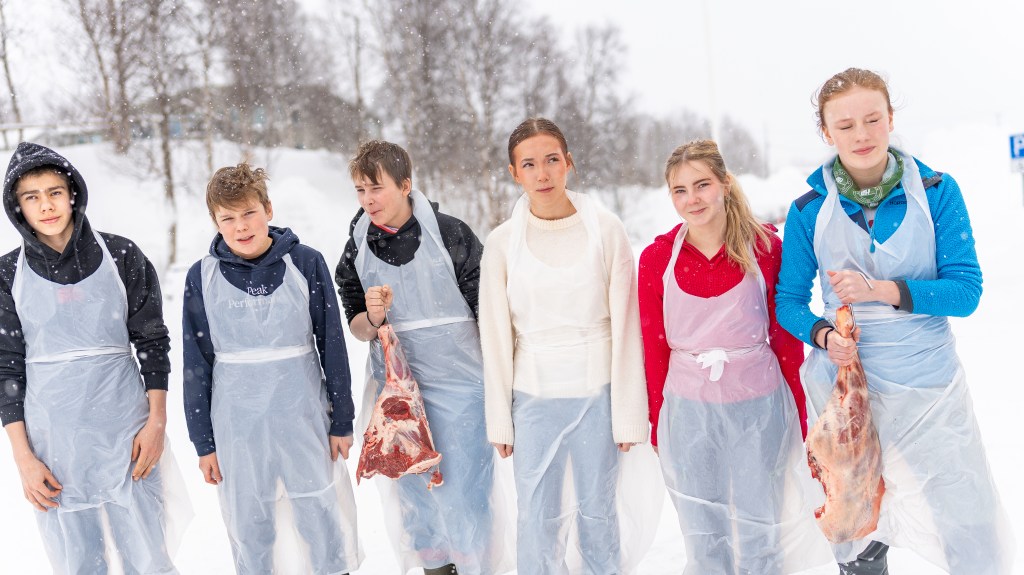
Workshops with 8th-grade students at Olmmáivákki skuvla have been central to the project. Students learned to prepare guohpparmális under the guidance of the local experts, Leiros, Hansen and Olsen, connecting them to their cultural heritage while fostering sustainable practices. The project also documents these traditions through films and educational materials, ensuring that this knowledge is passed on to future generations.
Why This Matters
The coastal Sámi food system offers valuable lessons for today’s challenges, from climate change to food insecurity. The archives reveal a culture of ingenuity and sustainability, where nothing was wasted, and nature’s resources were used with care. By revisiting these practices, we can explore alternatives to the destructive tendencies of modern food industries.
Through the Máhtut-project, we aim to inspire a new generation of tradition bearers who can adapt and preserve these practices for a more sustainable future. The journey from archival manuscripts to a bowl of guohpparmális is not just about preserving history—it’s about reimagining how we live and eat in harmony with the world around us.
 MÁHTUT
Leave a comment